
Many drivers think of a windshield as simply a barrier against wind, rain, and road debris. In reality, it is one of the most important structural components of a modern vehicle. Even a small crack can reduce the windshield’s ability to protect occupants during a collision, potentially affecting the vehicle’s overall safety performance.
Understanding the broken windshield safety impact helps drivers recognize why prompt replacement is more than a cosmetic repair—it’s an investment in the safety of everyone inside the vehicle.
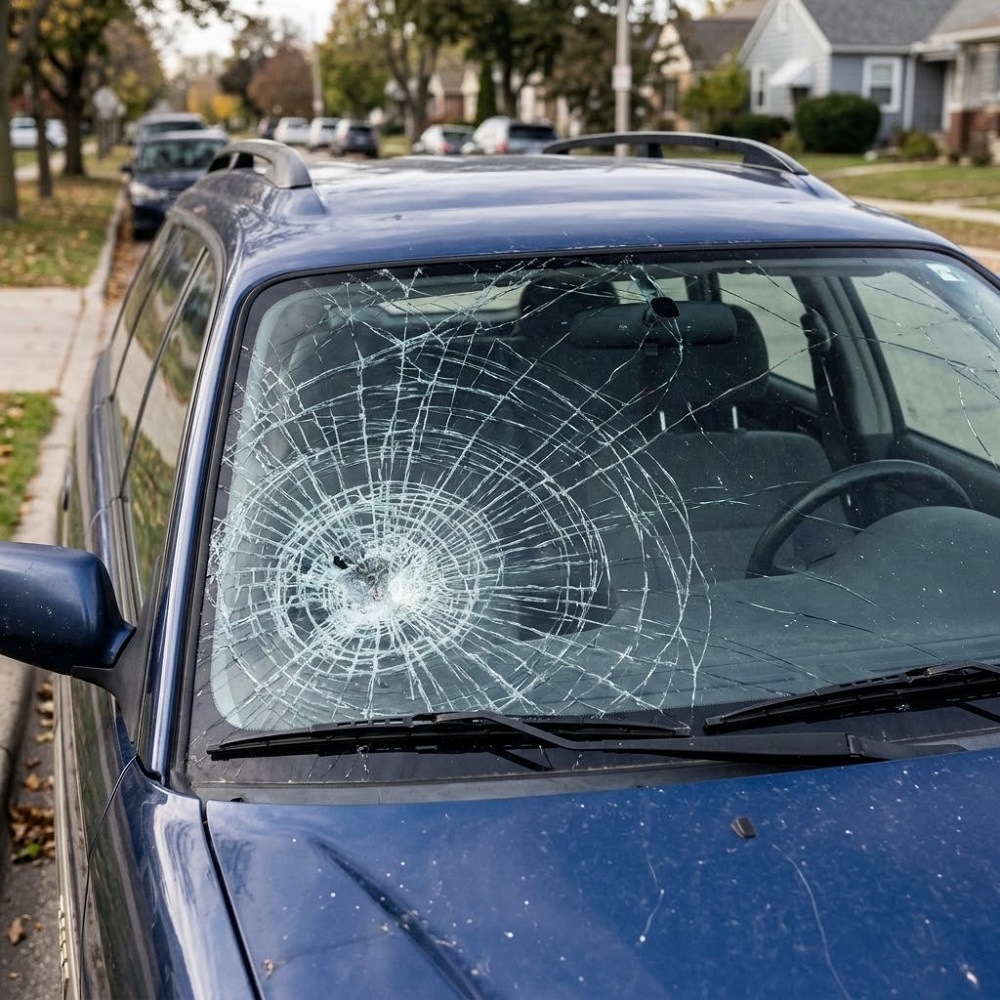
The Windshield Is a Structural Safety Component
Modern vehicles are engineered so the windshield contributes significantly to the overall strength of the passenger compartment. Rather than serving as a simple piece of glass, it helps distribute impact forces and supports the vehicle’s frame during collisions.
One of its most important functions is providing support for the roof during a rollover accident. A properly installed windshield can help the roof maintain its shape, reducing the likelihood of the passenger compartment collapsing during a serious crash.
When the windshield is cracked or improperly bonded, that structural support is weakened, making the vehicle less capable of protecting occupants in severe impacts.
Supporting Proper Airbag Deployment
Many drivers don’t realize that the windshield also plays a critical role in passenger airbag performance.
During a front-end collision, the passenger-side airbag deploys upward and often uses the windshield as a support surface before cushioning the occupant. If the windshield has been weakened by extensive damage or has an inadequate adhesive bond, it may not provide the necessary resistance.
In some situations, this can affect the direction or effectiveness of airbag deployment, reducing one of the vehicle’s most important safety systems when it is needed most.
How Cracks Affect Crash Performance
A damaged windshield cannot distribute impact forces as effectively as an intact one.
Cracks create weak points in the laminated glass, allowing stresses from a collision to concentrate around the damaged area. During crash testing, vehicles rely on every structural component functioning as designed. A compromised windshield may not perform to the same standard as the original, undamaged glass.
As cracks continue to spread because of road vibration, temperature changes, or additional impacts, the windshield becomes progressively weaker, increasing the potential for failure during an accident.
What Research Shows
Vehicle safety organizations and automotive engineers have long recognized the importance of windshield integrity.
Research has shown that the windshield contributes a substantial portion of a vehicle’s roof-crush resistance during rollover events. Automotive safety studies have also demonstrated that occupants face a greater risk of ejection when windshield retention is compromised during severe collisions.
Because of these findings, manufacturers place significant emphasis on proper windshield installation and replacement procedures. Even the highest-rated vehicles depend on an undamaged windshield to achieve their intended level of crash protection.
Federal Safety Standards
Windshield installation is governed by strict safety regulations designed to protect vehicle occupants.
Two of the most recognized standards in the United States include:
- Federal Motor Vehicle Safety Standard (FMVSS) 212, which establishes windshield mounting requirements to help retain the windshield during crashes.
- Federal Motor Vehicle Safety Standard (FMVSS) 208, which outlines occupant crash protection requirements, including proper airbag performance that relies on the windshield functioning correctly.
These standards highlight why windshield replacement is much more than installing a new piece of glass. Proper adhesives, installation procedures, and curing times are all essential to meeting safety expectations.
Small Damage Can Become a Bigger Problem
Drivers often postpone repairs because a chip or crack appears minor. However, windshield damage rarely remains unchanged.
Daily driving introduces vibration, while seasonal temperature swings cause the glass to expand and contract. These conditions can cause small chips to spread into long cracks that significantly weaken the windshield.
What may begin as a repairable issue can quickly become a full replacement, increasing both repair costs and safety concerns.
Why Professional Replacement Matters
Professional windshield replacement ensures the new glass is installed according to manufacturer specifications using high-quality automotive adhesives.
Experienced technicians carefully prepare the bonding surface, position the windshield accurately, and allow adequate curing time before the vehicle returns to service. This process helps restore the structural integrity that modern vehicles are designed to provide.
Proper installation is particularly important for vehicles equipped with advanced driver assistance systems (ADAS), where windshield-mounted cameras often require recalibration after replacement.
Don’t Overlook Windshield Damage
A cracked windshield should never be viewed as merely a cosmetic issue. It can weaken roof support, interfere with proper airbag deployment, reduce crash performance, and compromise the safety features built into your vehicle.
Addressing windshield damage promptly helps maintain the level of protection your vehicle was engineered to deliver while also preventing cracks from spreading further.
When your windshield has sustained damage, trust Utah Windshield Replacement Experts at Glasshopper Auto Glass for professional replacement services that prioritize safety, precision, and long-lasting performance.