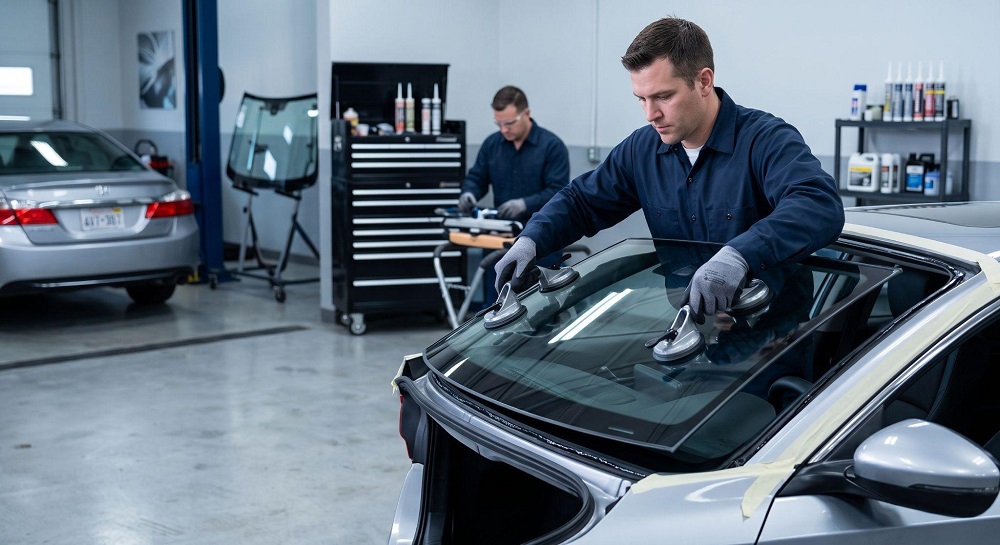
Category Archives: Our Blogs

What Is ADAS Calibration and Why Does It Matter

Advanced Driver Assistance Systems, or ADAS, have become an important part of modern vehicle safety. Features such as lane departure warning, automatic emergency braking, and adaptive cruise control use cameras, sensors, and radar to monitor the road and assist drivers in avoiding potential hazards.

Because many of these systems depend on components positioned around the windshield, their accuracy can be affected when the windshield is replaced or when other vehicle work changes the position of the sensors. ADAS calibration helps ensure these systems are correctly aligned and able to interpret their surroundings as intended.

What Is ADAS?

ADAS refers to a collection of technologies designed to assist drivers and improve vehicle safety. Depending on the vehicle, these systems may use forward-facing cameras, radar sensors, ultrasonic sensors, and other components to monitor traffic lanes, vehicles, pedestrians, and road conditions.

A windshield-mounted camera, for example, may track lane markings and help operate a lane departure warning system. Radar and other sensors may work alongside the camera to support automatic emergency braking or adaptive cruise control.

Because these systems depend on precise measurements, even a small change in camera positioning can affect how the vehicle interprets information from the road.

Why Is ADAS Calibration Necessary?

Windshield replacement is one of the most common situations that can require ADAS calibration. When a windshield-mounted camera is removed and reinstalled with new glass, its position relative to the vehicle can change slightly.

Calibration establishes the correct relationship between the camera or sensor and the vehicle. Without proper calibration, a safety system could potentially provide warnings at the wrong time or fail to respond as expected.

Calibration may also be necessary after collision repairs, suspension work, or wheel alignment. Changes to the vehicle’s ride height, suspension geometry, or alignment can affect how sensors perceive the road.

For this reason, calibration should be considered whenever work may have changed the positioning or operating conditions of an ADAS component.

Static vs. Dynamic ADAS Calibration

There are two primary approaches to ADAS calibration: static and dynamic. The method used depends on the vehicle manufacturer’s requirements and the specific system being serviced.

Static Calibration

Static calibration is performed while the vehicle is stationary. Technicians use specialized targets, measuring equipment, and manufacturer-specific procedures to align the camera or sensor accurately.

The vehicle must typically be positioned on a level surface with specific measurements maintained between the vehicle and the calibration target. This allows the system to recognize the correct reference points.

Dynamic Calibration

Dynamic calibration takes place while the vehicle is being driven under controlled conditions. The vehicle’s cameras or sensors collect information from the road, lane markings, signs, and other objects while technicians follow the manufacturer’s calibration procedure.

Some vehicles require dynamic calibration, while others may require static calibration or a combination of both. Following the correct procedure is essential because calibration requirements vary significantly between manufacturers and models.

How Calibration Supports Safety Features

Proper ADAS calibration helps safety systems accurately interpret their surroundings.

Lane departure warning relies on cameras to recognize lane markings and determine whether the vehicle is unintentionally drifting. If the camera is misaligned, the system’s ability to identify lane position can be affected.

Automatic emergency braking can use cameras, radar, or both to identify vehicles and obstacles ahead. Correct sensor positioning helps the system accurately estimate distance and movement.

Adaptive cruise control uses information from sensors to maintain an appropriate following distance from vehicles ahead. Calibration helps ensure those sensors are correctly oriented.

These systems are designed to assist the driver, not replace attentive driving, but their effectiveness depends on accurate sensor information.

When Should Drivers Ask About Calibration?

If your windshield has been replaced, ask whether your vehicle requires ADAS calibration. You should also discuss calibration after certain collision repairs, suspension work, or wheel alignment services.

Warning lights, unexpected ADAS behavior, or changes in how lane-assistance features operate can also warrant professional inspection.

Drivers looking for services such as lane departure camera calibration in Tooele should work with technicians familiar with manufacturer-specific calibration requirements.

Why Professional Calibration Matters

ADAS calibration requires more than simply checking whether a warning light is illuminated. Proper procedures involve precise measurements, specialized equipment, and adherence to vehicle manufacturer specifications.

A professional technician can determine which calibration method your vehicle requires and verify that the system is properly aligned after service. This is particularly important following windshield replacement, when a forward-facing camera may have been removed and repositioned.

Maintaining the Accuracy of Modern Safety Technology

ADAS technology can provide valuable assistance, but these systems are only as reliable as the information their cameras and sensors receive. Proper calibration helps maintain the accuracy of important driver-assistance features after work that could affect sensor positioning.

For Utah drivers, Glasshopper Auto Glass provides professional auto glass services with attention to the technology built into today’s vehicles. Whether calibration is needed after windshield replacement or another service, working with experienced technicians helps keep your vehicle’s safety systems operating as intended.

What Impact Does a Broken Windshield Have on Vehicle Safety Ratings?

Many drivers think of a windshield as simply a barrier against wind, rain, and road debris. In reality, it is one of the most important structural components of a modern vehicle. Even a small crack can reduce the windshield’s ability to protect occupants during a collision, potentially affecting the vehicle’s overall safety performance.

Understanding the broken windshield safety impact helps drivers recognize why prompt replacement is more than a cosmetic repair—it’s an investment in the safety of everyone inside the vehicle.

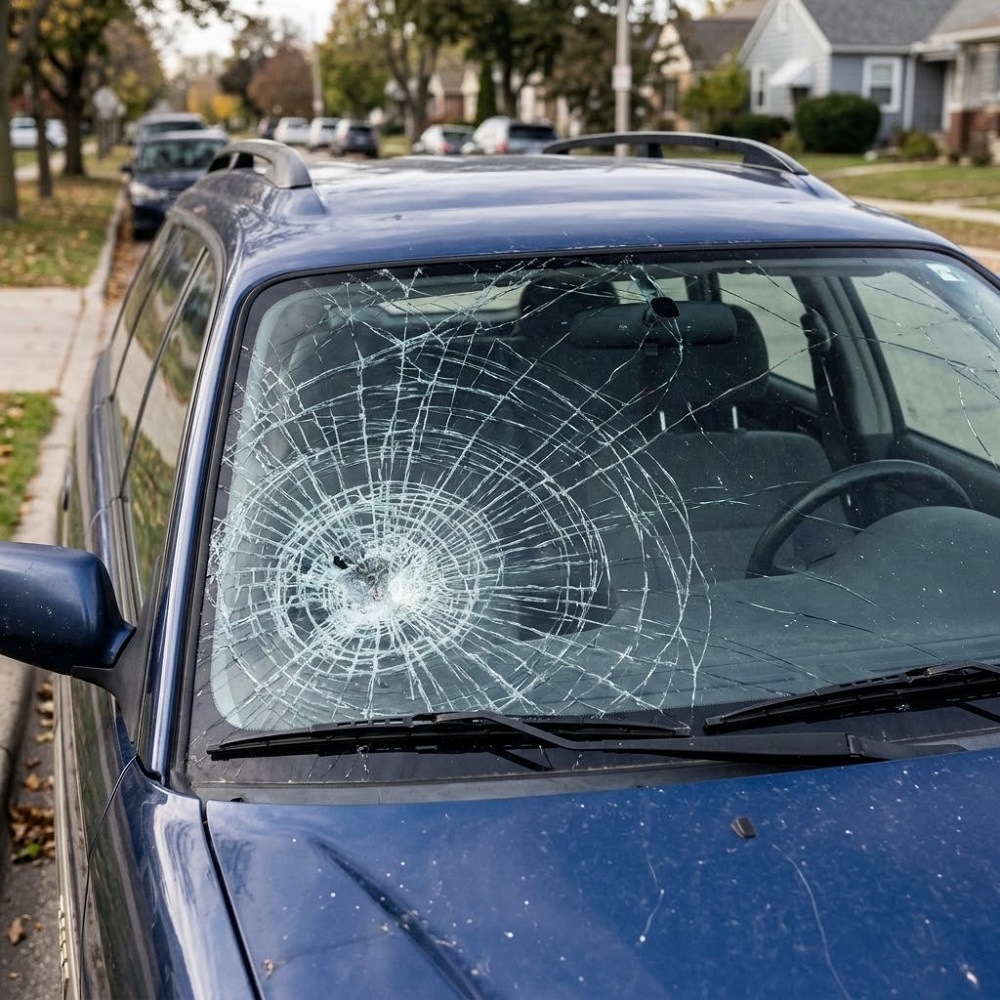
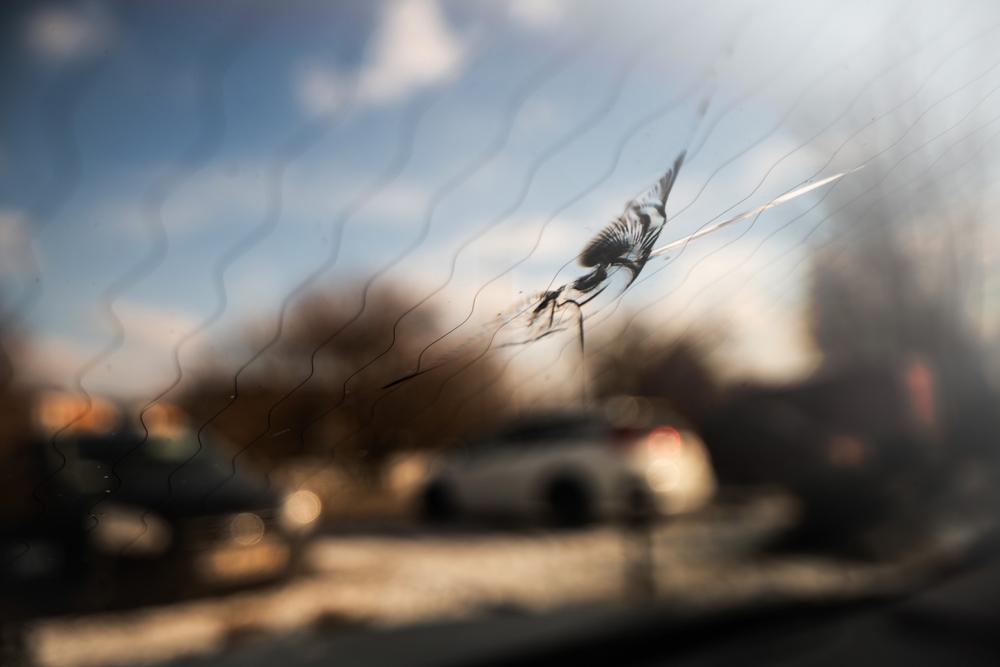
A close-up view of a car windshield featuring a prominent crack, illustrating the potential risk to vehicle structural integrity and safety

The Windshield Is a Structural Safety Component

Modern vehicles are engineered so the windshield contributes significantly to the overall strength of the passenger compartment. Rather than serving as a simple piece of glass, it helps distribute impact forces and supports the vehicle’s frame during collisions.

One of its most important functions is providing support for the roof during a rollover accident. A properly installed windshield can help the roof maintain its shape, reducing the likelihood of the passenger compartment collapsing during a serious crash.

When the windshield is cracked or improperly bonded, that structural support is weakened, making the vehicle less capable of protecting occupants in severe impacts.

Supporting Proper Airbag Deployment

Many drivers don’t realize that the windshield also plays a critical role in passenger airbag performance.

During a front-end collision, the passenger-side airbag deploys upward and often uses the windshield as a support surface before cushioning the occupant. If the windshield has been weakened by extensive damage or has an inadequate adhesive bond, it may not provide the necessary resistance.

In some situations, this can affect the direction or effectiveness of airbag deployment, reducing one of the vehicle’s most important safety systems when it is needed most.

How Cracks Affect Crash Performance

A damaged windshield cannot distribute impact forces as effectively as an intact one.

Cracks create weak points in the laminated glass, allowing stresses from a collision to concentrate around the damaged area. During crash testing, vehicles rely on every structural component functioning as designed. A compromised windshield may not perform to the same standard as the original, undamaged glass.

As cracks continue to spread because of road vibration, temperature changes, or additional impacts, the windshield becomes progressively weaker, increasing the potential for failure during an accident.

What Research Shows

Vehicle safety organizations and automotive engineers have long recognized the importance of windshield integrity.

Research has shown that the windshield contributes a substantial portion of a vehicle’s roof-crush resistance during rollover events. Automotive safety studies have also demonstrated that occupants face a greater risk of ejection when windshield retention is compromised during severe collisions.

Because of these findings, manufacturers place significant emphasis on proper windshield installation and replacement procedures. Even the highest-rated vehicles depend on an undamaged windshield to achieve their intended level of crash protection.

Federal Safety Standards

Windshield installation is governed by strict safety regulations designed to protect vehicle occupants.

Two of the most recognized standards in the United States include:

  • Federal Motor Vehicle Safety Standard (FMVSS) 212, which establishes windshield mounting requirements to help retain the windshield during crashes.
  • Federal Motor Vehicle Safety Standard (FMVSS) 208, which outlines occupant crash protection requirements, including proper airbag performance that relies on the windshield functioning correctly.

These standards highlight why windshield replacement is much more than installing a new piece of glass. Proper adhesives, installation procedures, and curing times are all essential to meeting safety expectations.

Small Damage Can Become a Bigger Problem

Drivers often postpone repairs because a chip or crack appears minor. However, windshield damage rarely remains unchanged.

Daily driving introduces vibration, while seasonal temperature swings cause the glass to expand and contract. These conditions can cause small chips to spread into long cracks that significantly weaken the windshield.

What may begin as a repairable issue can quickly become a full replacement, increasing both repair costs and safety concerns.

Why Professional Replacement Matters

Professional windshield replacement ensures the new glass is installed according to manufacturer specifications using high-quality automotive adhesives.

Experienced technicians carefully prepare the bonding surface, position the windshield accurately, and allow adequate curing time before the vehicle returns to service. This process helps restore the structural integrity that modern vehicles are designed to provide.

Proper installation is particularly important for vehicles equipped with advanced driver assistance systems (ADAS), where windshield-mounted cameras often require recalibration after replacement.

Don’t Overlook Windshield Damage

A cracked windshield should never be viewed as merely a cosmetic issue. It can weaken roof support, interfere with proper airbag deployment, reduce crash performance, and compromise the safety features built into your vehicle.

Addressing windshield damage promptly helps maintain the level of protection your vehicle was engineered to deliver while also preventing cracks from spreading further.

When your windshield has sustained damage, trust Utah Windshield Replacement Experts at Glasshopper Auto Glass for professional replacement services that prioritize safety, precision, and long-lasting performance.

What Tools and Techniques Are Used by Professionals for Windshield Replacement?

When a windshield is damaged beyond repair, proper replacement is essential for maintaining vehicle safety and structural integrity. While many drivers understand the importance of replacing a cracked windshield, few realize the specialized equipment and techniques involved in the process.

Professional technicians use advanced windshield replacement tools and proven installation methods to ensure a secure fit, proper sealing, and long-term performance. Understanding these tools and techniques can help vehicle owners appreciate why professional installation is the safest choice.

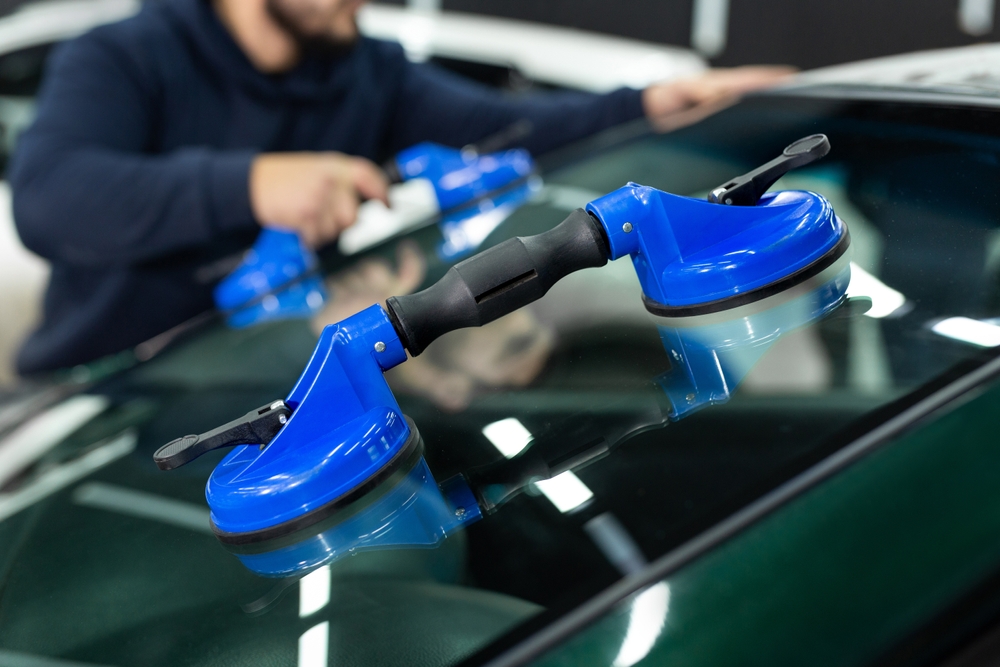
windshield replacement tools

Why Professional Windshield Replacement Matters

A windshield does more than shield drivers from wind and debris. It contributes to the vehicle’s structural strength, supports proper airbag deployment, and helps maintain visibility in all driving conditions.

Because of these critical functions, windshield replacement requires precision and specialized equipment. Using the right tools helps prevent damage to the vehicle frame while ensuring the new glass performs exactly as intended.

Essential Windshield Replacement Tools

Professional auto glass technicians rely on a variety of specialized tools during the replacement process.

Glass Removal Tools

The first step in windshield replacement involves safely removing the damaged glass. Specialized cutting tools are used to separate the windshield from the urethane adhesive that bonds it to the vehicle.

These tools allow technicians to remove the glass while minimizing the risk of scratching paint, damaging trim, or affecting the vehicle frame.

Urethane Adhesive Guns

High-strength urethane adhesive is what secures the new windshield in place. Professional-grade adhesive guns ensure an even and consistent application, creating a strong bond between the glass and vehicle.

Proper adhesive application is critical for safety and weather resistance.

Suction Cups and Glass Handling Equipment

Windshields can be large, heavy, and difficult to maneuver. Professional suction cups provide a secure grip on the glass, allowing technicians to position and install it accurately.

These tools help prevent accidental drops, misalignment, or damage during installation.

Heat Guns

Heat guns are often used to soften old adhesive and assist with glass removal. Controlled heat makes the process more efficient and helps technicians remove stubborn urethane without damaging surrounding materials.

Step-by-Step Windshield Replacement Techniques

Professional windshield replacement follows a structured process designed to maximize safety and performance.

Step 1: Removing the Damaged Windshield

Technicians carefully cut through the existing adhesive and remove the damaged glass. During this stage, protective coverings are used to shield the vehicle’s interior and exterior surfaces.

Step 2: Cleaning and Surface Preparation

After removal, the windshield frame is thoroughly cleaned. Old adhesive residue, dirt, and contaminants are removed to create an ideal bonding surface.

Proper preparation is one of the most important factors in achieving a secure installation.

Step 3: Fitting the New Windshield

Before applying adhesive, technicians test-fit the replacement windshield to verify proper alignment and compatibility. This step helps identify any fitment concerns before final installation.

Step 4: Applying Adhesive and Installing the Glass

A fresh bead of urethane adhesive is applied using professional adhesive guns. The windshield is then positioned carefully using suction cups and alignment tools.

Accurate placement ensures optimal visibility, sealing, and structural support.

Step 5: Adhesive Curing

Once installed, the adhesive requires time to cure. During this period, the bond develops its full strength and helps ensure long-term durability.

Technicians follow manufacturer-recommended cure times to maintain safety standards.

Safety Precautions During Installation

Professional windshield replacement involves several important safety measures.

Technicians wear protective equipment when handling broken glass and specialized cutting tools. Care is taken to prevent glass fragments from entering the vehicle cabin, and all adhesives are applied according to manufacturer specifications.

Additionally, modern vehicles may require calibration of windshield-mounted cameras or driver-assistance systems following replacement. Professional installers understand these requirements and can ensure systems function properly after installation.

Traditional Methods vs. Modern Technology

Windshield replacement has evolved significantly over the years.

Traditional methods often required customers to bring their vehicles into a repair facility. While effective, this approach could be inconvenient and time-consuming.

Today’s technology allows for advanced mobile windshield replacement services. Technicians can travel directly to a customer’s home, office, or other location while using the same professional tools and installation techniques available in a shop environment.

Modern equipment, improved adhesives, and advanced installation methods help deliver faster service without compromising safety or quality.

The Benefits of Professional Equipment and Expertise

Using professional windshield replacement tools offers several advantages:

  • Precise glass removal with minimal vehicle damage
  • Strong, reliable adhesive bonding
  • Proper windshield alignment and fitment
  • Enhanced safety and structural integrity
  • Long-lasting performance and weather resistance

Professional installation helps drivers avoid the risks associated with improper replacement techniques or low-quality workmanship.

Keeping Your Vehicle Safe on the Road

Windshield replacement is a highly specialized process that requires the right combination of tools, training, and experience. From glass removal equipment and adhesive guns to suction cups and heat guns, every tool plays an important role in ensuring a successful installation.

Whether you’re dealing with a severely cracked windshield or preparing for a complete replacement, working with experienced professionals provides peace of mind and dependable results. Trust Utah Windshield Replacement Experts at Glasshopper Auto Glass for safe, accurate, and professional windshield replacement services designed to keep you protected on every journey.

How to Choose the Right Rear Window Replacement Glass for Your Vehicle

Choosing the correct rear window replacement glass is essential for maintaining your vehicle’s safety, visibility, and overall performance. Not all auto glass is the same, and selecting the wrong type can lead to poor fitment, reduced visibility, or compatibility problems with built-in features.

This rear window replacement guide explains the most important factors to consider before replacing your rear glass, helping Utah drivers make informed decisions and avoid costly mistakes.

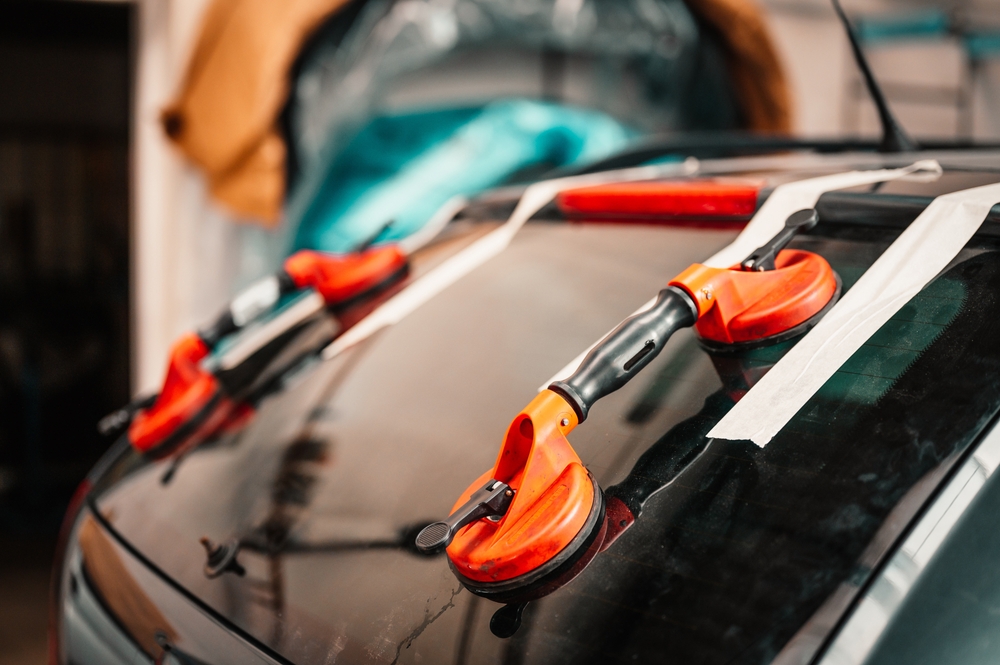
rear window replacement guide

Understanding OEM vs. Aftermarket Glass

One of the first decisions drivers face is whether to choose OEM or aftermarket glass.

OEM Glass

OEM (Original Equipment Manufacturer) glass is designed to match the specifications of the original rear window installed by the vehicle manufacturer. It typically offers:

  • Exact fit and dimensions
  • Matching tint and thickness
  • Compatibility with factory-installed features
  • Reliable visibility and performance

Because OEM glass closely matches the original design, it is often preferred for newer vehicles or drivers who want factory-level consistency.

Aftermarket Glass

Aftermarket glass is produced by third-party manufacturers. High-quality aftermarket options can still provide excellent durability and safety, often at a lower cost. However, not all aftermarket products are equal. Poor-quality glass may lead to visibility distortion, imperfect fitment, or compatibility issues.

Choosing professional installation helps ensure that any aftermarket option meets proper safety and performance standards.

Considering Tinted and Heated Glass Features

Modern rear windows often include additional features that need to match the original specifications of the vehicle.

Tinted Glass

Many vehicles use tinted rear windows to reduce glare, improve privacy, and block UV exposure. When replacing the rear glass, matching the tint level helps maintain consistent appearance and driving comfort.

Heated Glass and Defogger Lines

Rear windows frequently include heating elements or defogger lines that clear condensation and frost during cold weather. Replacement glass should support these features and allow all electrical connections to function properly.

Failure to match these components can reduce visibility and affect driving safety, especially during Utah’s colder seasons.

Importance of Safety Certifications

Safety certification is one of the most important factors in any rear glass replacement. Quality replacement glass should meet recognized automotive safety standards, such as:

  • DOT (Department of Transportation) approval
  • ECE (Economic Commission for Europe) certification

These certifications confirm that the glass has passed strict testing for impact resistance, durability, and visibility. Certified glass helps ensure that your vehicle remains compliant with safety requirements and performs properly during accidents or harsh driving conditions.

Why Professional Guidance Matters

Choosing the wrong rear window glass can create long-term problems, including leaks, poor sealing, wind noise, or visibility distortion. Professional technicians evaluate your vehicle’s exact specifications to ensure the replacement glass matches correctly.

They also help determine:

  • Proper fit and dimensions
  • Compatibility with heating systems and sensors
  • Correct tint levels
  • Safe installation procedures

Professional installation reduces the risk of improper fitment and ensures the adhesive bond is secure and long-lasting.

Long-Term Benefits of Choosing the Right Glass

Selecting the proper rear window replacement glass provides several important advantages:

  • Improved rear visibility
  • Better weather protection
  • Reduced wind noise
  • Proper defogger performance
  • Enhanced vehicle safety and structural support

Quality materials and proper installation also help preserve your vehicle’s appearance and resale value over time.

Glasshopper Auto Glass Has the Answer

Choosing replacement rear glass involves more than simply replacing broken material. Drivers should carefully consider OEM versus aftermarket options, tint compatibility, heated glass features, and safety certifications before making a decision.

Working with experienced professionals helps eliminate fitment and visibility concerns while ensuring the replacement meets proper safety standards. For dependable service and expert guidance, trust Glasshopper Auto Glass for professional Rear Window Replacement in Utah that keeps your vehicle safe, functional, and road-ready.

What Happens During the Rear Window Replacement Process Step-by-Step

A rear window is an important part of your vehicle’s safety, visibility, and structural support. When it becomes cracked or shattered, replacement is the only reliable solution. Understanding the rear window replacement process helps drivers know what to expect and why professional installation matters.

For Utah drivers, timely service is especially important due to changing weather conditions and road debris that can quickly worsen glass damage. A properly installed rear window ensures safety, comfort, and long-term durability.

Step 1: Preparation and Vehicle Protection

The process begins with careful preparation of the vehicle. Technicians first inspect the damage and ensure the surrounding area is safe to work on. The interior of the car is protected using covers and guards to prevent glass debris from entering the cabin.

Next, trims, moldings, and any components surrounding the rear window are carefully removed. This step is done slowly and precisely to avoid damaging clips, paint, or electrical components such as defroster connections. Proper preparation ensures a clean and controlled installation environment.

Step 2: Safe Glass Removal

Once the area is prepared, the damaged rear window is carefully removed. Technicians use specialized tools to loosen the adhesive bond that holds the glass in place. This step requires precision to prevent damage to the vehicle frame and surrounding bodywork.

Because rear windows often include defroster lines, antenna connections, or sensors, extra care is taken to disconnect and preserve these components safely. All broken glass is removed from the vehicle interior to ensure a clean working surface before installation begins.

Step 3: Adhesive Application and Glass Installation

After the old glass is removed, the frame is cleaned and prepped for installation. A high-quality automotive adhesive is then applied evenly along the mounting surface. This adhesive is critical for ensuring a strong bond between the vehicle and the new glass.

The new rear window is carefully positioned and aligned to ensure a perfect fit. Proper alignment is essential for maintaining visibility, structural integrity, and defroster functionality. Once in place, technicians apply consistent pressure to secure the bond.

Curing time is an important part of this step. The adhesive needs sufficient time to set and create a strong seal. During this period, the vehicle should remain stationary to ensure proper bonding and long-term durability.

Step 4: Finishing Touches and Quality Inspection

After the adhesive has cured, the final step involves reassembling all trims and moldings. Technicians ensure that every component is properly fitted and secure. The defroster system and any electrical connections are tested to confirm full functionality.

A detailed inspection is then performed to check for alignment, sealing, and overall installation quality. This ensures there are no gaps, leaks, or imperfections that could affect performance or safety.

Why Professional Installation Matters

A rear window is not just a piece of glass—it plays a role in your vehicle’s safety structure and visibility system. Improper installation can lead to leaks, wind noise, or even glass detachment in extreme cases. Professional technicians ensure that every step of the rear window replacement process is completed correctly and safely.

Conclusion

Understanding the step-by-step process of rear window replacement highlights the importance of precision, safety, and proper materials. From preparation and glass removal to adhesive curing and final inspection, each stage plays a vital role in restoring your vehicle’s safety and performance.

For Utah drivers, professional service ensures long-lasting results and peace of mind. Trust Glasshopper Auto Glass for expert care and reliable Rear Window Replacement in Utah, keeping your vehicle safe, secure, and road-ready in all conditions.

How to Maintain Newly Installed Door Glass for Longevity

A newly installed car door glass restores visibility, security, and the overall aesthetics of your vehicle. Proper maintenance ensures that your investment lasts for years and continues to function smoothly. Whether you’ve had a repair or a full replacement, following simple care routines can prevent scratches, leaks, and mechanical problems. Utah drivers can benefit greatly from understanding how to maintain car door glass effectively.

maintain car door glass

Avoid Slamming Doors or Using Excessive Force

One of the easiest ways to damage door glass is by slamming the door or applying excessive force when rolling windows up or down. Sudden impacts can weaken the glass, misalign the window tracks, or stress the seals. Encourage gentle handling to preserve both the glass and the mechanisms that control its movement. Over time, careful operation reduces wear and keeps your windows functioning smoothly. When closing doors, make sure to use the handle or knob and avoid pushing or pulling on the glass itself. The same applies when rolling windows up or down – use the designated buttons or handles instead of putting pressure directly on the glass.

Regular Cleaning With Glass-Safe Products

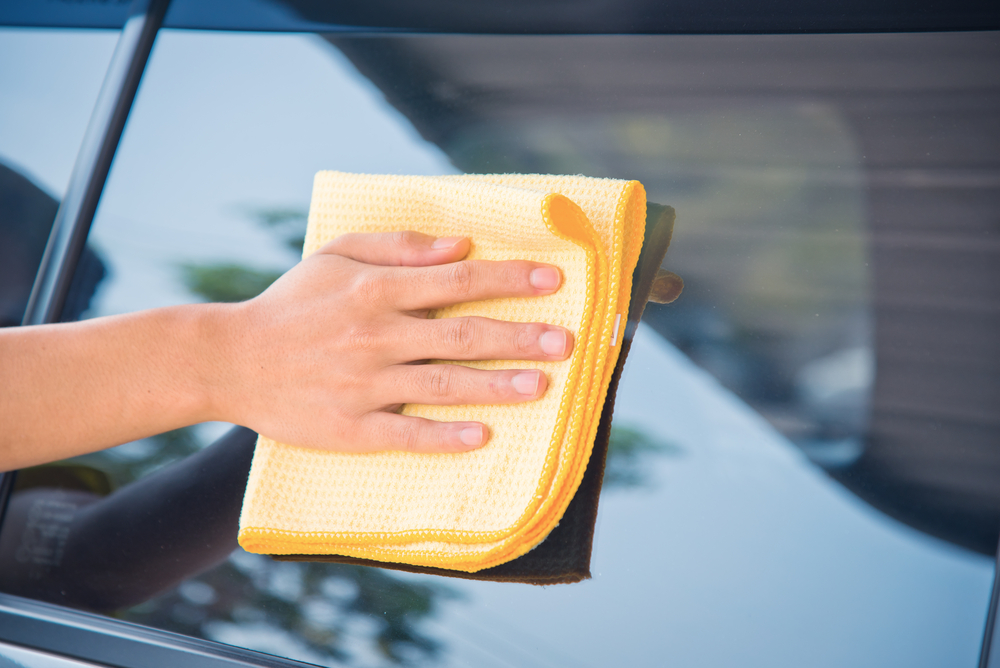
Dirt, debris, and hard-water stains can accumulate on door glass, potentially causing scratches or residue buildup. Clean your windows regularly with glass-safe cleaners and soft microfiber cloths. Avoid harsh chemicals, abrasive pads, or ammonia-based cleaners, which can damage coatings and the clarity of the glass. Maintaining a clean surface not only improves visibility but also preserves the long-term appearance of your door glass.

It’s important to inspect your door glass for any cracks or chips. These should be repaired as soon as possible to prevent further damage and potential safety hazards. If you notice any issues with your door glass, consult a professional for proper repair or replacement.

Remember, taking care of your door glass not only maintains the aesthetic value of your home but also ensures the safety and functionality of your doors. By following these tips and using gentle cleaning techniques, you can enjoy clear and beautiful door glass for years to come. So next time you’re admiring the view from inside your home, remember to give some love and attention to those often-overlooked pieces of glass that make it all possible.

Check Window Tracks, Regulators, and Seals

Properly functioning tracks, regulators, and seals are essential for smooth window operation and preventing leaks. Regularly inspect these components to ensure that the glass moves without sticking or rattling. Lubricate tracks lightly if needed and verify that the seals are intact. Early detection of issues in the mechanism can prevent more extensive repairs and protect the glass from uneven stress. Additionally, damaged seals can allow air and moisture to seep in, causing condensation and potentially leading to mold growth. By keeping these components in good shape, you can ensure the longevity of your door glass.

Inspect for Leaks or Cracks

Even minor cracks or gaps in the door glass or surrounding seals can worsen over time. Periodically check for signs of leaks, water intrusion, or small fractures. Addressing these issues early—before they develop into major problems—can save you from costly repairs or replacement. Prompt maintenance helps ensure your door glass remains secure and reliable.

Benefits of Regular Maintenance

By following these simple steps, you can:

  • Prolong the lifespan of newly installed car door glass.
  • Prevent scratches, cracks, and alignment issues.
  • Maintain smooth window operation and seal integrity.
  • Protect your vehicle from water damage and interior wear.

Regular care reinforces the quality and longevity of your repair or replacement, maximizing your investment in both safety and functionality.

Conclusion

Maintaining newly installed door glass is straightforward but essential. Gentle operation, regular cleaning, inspection of tracks and seals, and early attention to minor issues all contribute to long-lasting performance. For Utah drivers seeking reliable auto glass service, professional installation combined with proper maintenance is key. Trust Glasshopper Auto Glass for expert installation and service, including Fast & Reliable Auto Door Glass Replacement in Utah, ensuring your car door glass stays clear, smooth, and secure for years to come.

How to Determine if Your Car Door Glass Can Be Repaired Instead of Replaced

When your car door glass is damaged, it can be difficult to decide whether a simple repair is enough or if full replacement is necessary. Making the wrong choice can compromise safety, cost you more in the long run, or reduce the appearance and functionality of your vehicle. Understanding the factors involved in car door glass repair vs replacement is key for Utah drivers looking to maintain both safety and value.

car door glass repair vs replacement

Identifying Minor Chips, Cracks, or Scratches

The first step in determining repair eligibility is to examine the type of damage. Minor chips, small cracks, and superficial scratches are often repairable. These repairs restore both clarity and structural integrity without the need for a full glass replacement. Serious or extensive damage, however, may require replacement to ensure proper function and safety.

Assessing the Location of Damage

Where the damage occurs plays an important role in deciding between repair and replacement. Cracks near the edges of the glass are less stable and more likely to spread, usually requiring replacement. Damage in the middle of the glass is generally more suitable for repair, as it poses less risk to structural stability. The location of the damage will also impact the safety of the repair, as cracks in certain areas may compromise the strength of the glass.

Evaluating Damage Depth

Surface-level scratches or shallow chips are prime candidates for repair. Professional technicians can evaluate how deep the damage penetrates the glass layers and determine whether a repair will restore both visibility and strength. Deeper cracks or damage through multiple layers often necessitate a full glass replacement. When in doubt, it is best to consult a trained professional for an accurate assessment. Our team at Glasshopper Autoglass has years of experience and can provide a thorough evaluation to determine the best course of action for your specific situation. We will always prioritize safety and efficiency, ensuring that you receive the highest quality service for your vehicle. If repair is not a viable option, we offer affordable and reliable glass replacement services to get you back on the road safely. Trust us to handle all of your auto glass needs with expertise and care.

Factors Affecting Repairability

The size and location of the damage are not the only factors to consider when deciding between repair and replacement. The type of glass, temperature fluctuations, and previous repairs also play a role in determining repairability. For example, tempered glass cannot be repaired due to its unique manufacturing process, while laminated glass can often be successfully repaired. Additionally, extreme temperature changes or previous attempts at repair can weaken the integrity of the glass, making replacement necessary. At Glasshopper Auto Glass, our experienced technicians will carefully evaluate all of these factors to determine the best course of action for your damaged glass.

Consulting a Professional

While some drivers may attempt DIY fixes, consulting a certified technician is always recommended. Professionals assess all aspects of the damage—type, location, and depth—to provide a clear recommendation. They can ensure that your repair restores safety and functionality without compromising the structural integrity of your car door glass. We at Glasshopper Auto Glass have years of experience handling all types of auto glass repairs, and we pride ourselves on providing top-quality service to our customers. When you choose Glasshopper Auto Glass, you can trust that your car will be in good hands and that we will work diligently to find the best solution for your specific situation. Our team of experts is well-versed in the latest techniques and technology, ensuring that we provide the most effective and efficient repair services possible.

Conclusion

Determining whether to repair or replace car door glass depends on the severity, location, and depth of the damage. Minor, well-placed chips and scratches may only require repair, while extensive or edge damage often calls for full replacement. For Utah drivers, trusting certified technicians ensures your vehicle’s glass is handled correctly. For reliable service, schedule Fast & Reliable Auto Door Glass Replacement in Utah with Glasshopper Auto Glass to get expert advice, professional repairs, or complete replacement as needed.

Why Temperature Changes Can Turn a Small Rock Chip into a Cracked Windshield

If you’ve ever found a small chip in your windshield after a drive, you may have wondered how it could turn into a full crack seemingly overnight. Many vehicle owners in Utah are surprised to learn that temperature changes can quickly transform a minor rock chip into a much larger windshield problem. Understanding the science behind this phenomenon and acting quickly with services like Utah Rock Chip Repair can save you time, money, and stress.

rock chip to crack causes

The Science Behind Rock Chips and Cracks

Vehicle windshields are made of laminated glass, which combines strength and safety. However, even this durable material is vulnerable when tiny chips occur. These chips create micro-stress points in the glass, which act like seeds for cracks to grow.

The reason temperature changes can accelerate this process is due to thermal expansion and contraction. When the outside temperature drops, the glass cools and contracts, while the inner layers of plastic and adhesive remain warmer and expand. This creates tension in the already stressed areas around a rock chip, causing it to grow into a larger crack.

One of the most significant contributors to crack propagation is thermal expansion and contraction. Glass expands slightly when heated and contracts when cooled. When a windshield with a rock chip experiences sudden temperature swings, the stress concentrates around the damaged area. Over time—or even immediately—this stress can extend the chip into a full crack, often spreading across the windshield.

How Weather Changes Make Things Worse

Utah is notorious for rapid weather fluctuations, which can be particularly harsh on vehicle glass. For example:

  • A bright, hot morning sun following a cold night can create a thermal shock in the windshield.
  • Freezing temperatures followed by warm afternoon sun cause the glass to expand and contract quickly.
  • Sudden heat from defrosters or air conditioning can also stress the glass.

These temperature shifts exacerbate the micro-fractures around rock chips, transforming what could have been a minor repair into a major windshield replacement.

Micro-Stress and Crack Propagation

Even the tiniest rock chip disrupts the smooth structure of your windshield. Around the chip, micro-stress zones develop naturally. When combined with thermal expansion, vibration from road driving, or even minor impacts, these micro-stresses can cause cracks to radiate outward. Once a crack begins, it can accelerate quickly, leaving drivers with limited options other than a full windshield replacement.

Preventive Measures to Protect Your Windshield

Preventing a small chip from becoming a costly crack is possible with careful attention and timely action. Here’s what experts recommend:

Prompt Rock Chip Repair: The fastest way to prevent cracks is by repairing the chip as soon as possible. Services like Utah Rock Chip Repair can stabilize the damage and reinforce the surrounding glass.

Avoid Extreme Temperature Changes: Whenever possible, avoid exposing your windshield to rapid heat or cold. Park in the shade during sunny days and try to warm up the vehicle gradually during cold mornings.

Gentle Cleaning and Driving: Avoid slamming car doors or driving on rough terrain if you have a chip, as vibrations can accelerate crack growth. When cleaning your windshield, use a soft cloth instead of abrasive materials.

Regular Inspections: Periodically check your windshield for new chips or stress lines, especially after hailstorms, gravel roads, or icy conditions.

Why Choosing a Professional Matters

Repairing a windshield isn’t just about aesthetics; it’s a safety issue. A chip left untreated can reduce structural integrity, compromise airbag performance, and obstruct visibility. Companies like Glasshopper Auto Glass specialize in mobile, convenient repairs that can prevent a rock chip from cracking and cause it to turn into a full windshield replacement. Their team ensures the repair is safe, durable, and compliant with auto glass safety standards.

Final Thoughts

Temperature swings and micro-stress zones are silent enemies to your vehicle’s windshield. A small chip might seem harmless, but without prompt attention, it can grow into a dangerous and expensive crack. Leveraging professional services like Utah Rock Chip Repair ensures your vehicle remains safe, your repairs are cost-effective, and you avoid the inconvenience of a full replacement. For expert guidance and reliable service, trust Glasshopper Auto Glass to keep your windshield intact and safe on the road.

What Factors Determine Whether a Rock Chip Can Be Repaired or Only Replaced?

A small rock chip in your windshield may seem minor, but not all damage can be repaired. Understanding rock chip repair eligibility helps Utah drivers make informed decisions and avoid unnecessary costs or safety risks. Professional evaluation ensures your windshield is either properly repaired or replaced, depending on the severity and type of damage.

rock chip repair eligibility

Size and Depth of the Chip

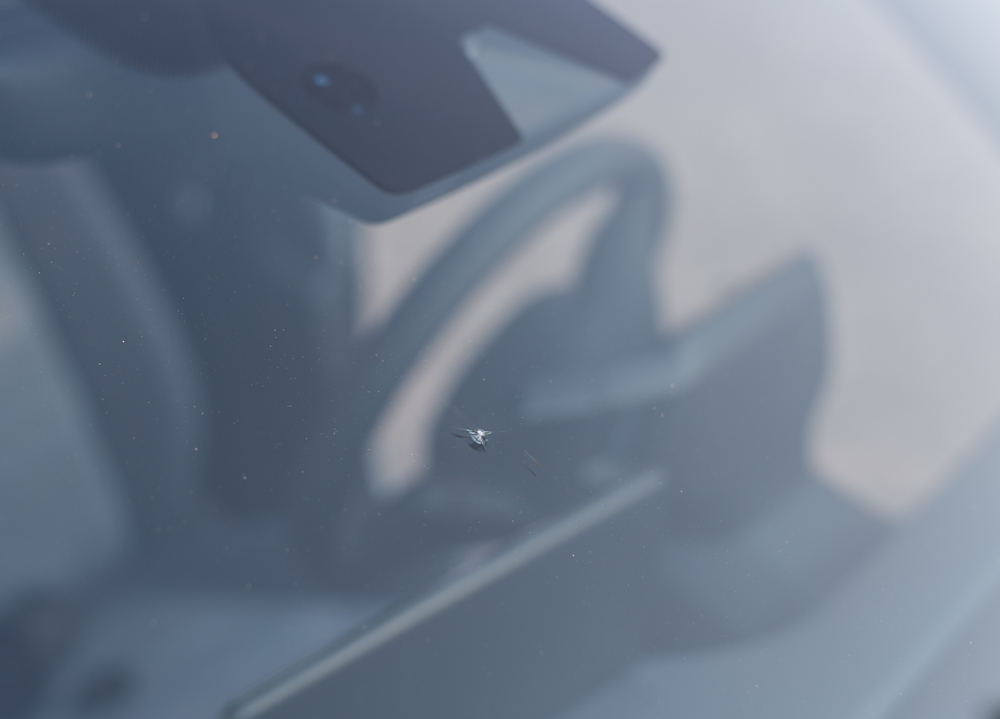
One of the primary factors in repair eligibility is the size and depth of the chip. Generally, chips smaller than one inch can be repaired effectively. Larger chips often compromise structural integrity and require a full windshield replacement. Deep cracks that penetrate multiple layers of laminated glass are also usually beyond repair.

Location of the Damage

Where the chip occurs on the windshield matters. Damage near the edges or along structural seams is less likely to be repairable, as these areas are critical to windshield strength and support. Chips in the driver’s line of sight or near mounting points may also require replacement to maintain safety and proper visibility.

Type of Damage

Different types of chips respond differently to repair. Common damage types include:

  • Bullseye chips – typically circular with a central impact point; usually repairable if small.
  • Star breaks – radial cracks extending outward from the impact; small star breaks can sometimes be repaired.
  • Combination breaks – complex damage that often requires replacement due to multiple fractures.

Understanding the type of chip helps technicians determine whether repair will restore strength and clarity. When it comes to cracked windshields, length and location play a crucial role in determining whether repair or replacement is necessary. Cracks longer than three inches usually require replacement, as they compromise the structural integrity of the windshield. Additionally, cracks that extend into the outer edges of the windshield or those that intersect multiple other cracks are also typically beyond repair and warrant replacement.

In some cases, chips or cracks may not seem significant at first glance but can still compromise the strength and safety of a windshield. This is especially true for damage near mounting points or in the driver’s line of sight. Even small chips or cracks in these areas can grow and spread if left unrepaired, potentially obstructing vision and reducing overall stability.

Age and Moisture

Older chips, or those where moisture has penetrated the crack, are often harder to repair. Water, dirt, or debris in the damage can prevent resin from properly filling the chip, compromising the repair’s durability. Timely assessment after the chip occurs increases the likelihood of successful repair. We recommend seeking professional help as soon as possible.

In addition to understanding the type of chip, age, and moisture also play a crucial role in determining whether a repair is possible. Older chips or those with moisture inside are often more difficult to repair successfully.

When water, dirt, or debris enters the chip, it can block the resin from properly filling the crack and bonding with the surrounding glass. This can result in a weaker repair that may not last as long. It’s important to have a timely assessment done after a chip occurs to increase the chances of a successful repair.

Professional Assessment Matters

Determining rock chip repair eligibility is not always straightforward. Certified technicians consider all factors—size, location, type of damage, and age—to decide whether a repair will restore your windshield’s safety and visibility. Professional service ensures the right solution is chosen, preventing further cracking or costly full replacements down the road.

Conclusion

Not every windshield chip can be repaired, but small, timely, and properly located chips often are. If you notice a rock chip, prompt evaluation is the best way to protect your windshield and maintain safety. For Utah drivers, trust Glasshopper Auto Glass for expert assessment and professional Utah Rock Chip Repair that restores structural integrity, clarity, and peace of mind.

What Are the Most Common Mistakes Drivers Make After Their Windshield Gets Chipped?

A small chip in your windshield may seem harmless, but it can quickly turn into a larger crack if not handled correctly. Many drivers make avoidable errors after a windshield chip occurs, which can compromise safety and lead to costly repairs. Understanding the windshield chip mistakes to avoid is key to protecting your vehicle and keeping your passengers safe. At Glasshopper Auto Glass, we have seen our fair share of these mistakes and want to share our knowledge with you. We are experts in Utah rock chip repair and can help you avoid these common mistakes.

windshield chip mistakes

Ignoring Small Chips

One of the most common mistakes drivers make is simply ignoring small chips. Even tiny rock chips are weak points in your windshield, and over time, temperature changes, road vibrations, or sudden impacts can cause the chip to expand into a full crack. Waiting too long to repair a chip often means that a simple repair could turn into a full windshield replacement.

Using DIY Adhesives or Low-Quality Kits

DIY repair kits may seem convenient and inexpensive, but they are often ineffective. Improper application of adhesives or using low-quality kits can leave micro-fractures unfilled, create distortions, or fail under normal driving conditions. Professional service, such as Utah Rock Chip Repair, ensures the chip is fully sealed, restoring strength and clarity to the windshield. Using high-quality materials and skilled technicians, they can provide a long-lasting repair that will save you time and money in the long run. We recommend avoiding DIY kits and opting for professional repair to ensure the safety and integrity of your windshield.

Our professional team at Glasshopper Auto Glass is trained and experienced in all types of windshield repairs, including replacements. We use state-of-the-art equipment and premium materials to ensure a strong and lasting repair. With our services, you can trust that your vehicle will be safe for the road ahead. We understand that your windshield is a crucial part of your vehicle’s structural integrity, which is why we take great care in our repairs.

Driving Aggressively Over Bumps or Rough Roads

After a chip occurs, the weakened glass is more susceptible to further damage. Driving aggressively over speed bumps, potholes, or rough roads can cause the chip to spread quickly. Many drivers underestimate the effect of road vibrations and end up worsening the damage simply by continuing normal or aggressive driving without timely repair. At Glasshopper Auto Glass, we understand the importance of addressing windshield damage as soon as possible to prevent it from worsening. Our experienced technicians are trained to identify and repair chips before they become bigger problems, saving you both time and money.

Attempting Repairs in Extreme Temperatures

Temperature extremes can affect both the glass and the repair materials. Attempting repairs in freezing conditions or under intense sunlight can compromise the effectiveness of adhesives and resins, leading to poor results. Professional technicians account for temperature, curing times, and proper application, ensuring a long-lasting repair that DIY attempts cannot reliably match. Having your windshield repaired by our team at Glasshopper Auto Glass guarantees a quality repair regardless of weather conditions. We have the necessary tools and expertise to properly repair your windshield in any temperature, providing you with peace of mind and a safe driving experience.

Conclusion

Windshield chips may seem minor at first, but avoiding common mistakes is crucial to preventing further damage. Ignoring chips, using low-quality DIY kits, driving over rough roads, or attempting repairs in extreme temperatures can all turn a small problem into a costly replacement. For Utah drivers, timely professional repair is the best choice. Trust Glasshopper Auto Glass for expert service and Rock Chip Repair that restores safety, clarity, and structural integrity to your windshield.