Author Archives: admin
How to Choose the Right Rear Window Replacement Glass for Your Vehicle
Choosing the correct rear window replacement glass is essential for maintaining your vehicle’s safety, visibility, and overall performance. Not all auto glass is the same, and selecting the wrong type can lead to poor fitment, reduced visibility, or compatibility problems with built-in features.
This rear window replacement guide explains the most important factors to consider before replacing your rear glass, helping Utah drivers make informed decisions and avoid costly mistakes.
Understanding OEM vs. Aftermarket Glass
One of the first decisions drivers face is whether to choose OEM or aftermarket glass.
OEM Glass
OEM (Original Equipment Manufacturer) glass is designed to match the specifications of the original rear window installed by the vehicle manufacturer. It typically offers:
- Exact fit and dimensions
- Matching tint and thickness
- Compatibility with factory-installed features
- Reliable visibility and performance
Because OEM glass closely matches the original design, it is often preferred for newer vehicles or drivers who want factory-level consistency.
Aftermarket Glass
Aftermarket glass is produced by third-party manufacturers. High-quality aftermarket options can still provide excellent durability and safety, often at a lower cost. However, not all aftermarket products are equal. Poor-quality glass may lead to visibility distortion, imperfect fitment, or compatibility issues.
Choosing professional installation helps ensure that any aftermarket option meets proper safety and performance standards.
Considering Tinted and Heated Glass Features
Modern rear windows often include additional features that need to match the original specifications of the vehicle.
Tinted Glass
Many vehicles use tinted rear windows to reduce glare, improve privacy, and block UV exposure. When replacing the rear glass, matching the tint level helps maintain consistent appearance and driving comfort.
Heated Glass and Defogger Lines
Rear windows frequently include heating elements or defogger lines that clear condensation and frost during cold weather. Replacement glass should support these features and allow all electrical connections to function properly.
Failure to match these components can reduce visibility and affect driving safety, especially during Utah’s colder seasons.
Importance of Safety Certifications
Safety certification is one of the most important factors in any rear glass replacement. Quality replacement glass should meet recognized automotive safety standards, such as:
- DOT (Department of Transportation) approval
- ECE (Economic Commission for Europe) certification
These certifications confirm that the glass has passed strict testing for impact resistance, durability, and visibility. Certified glass helps ensure that your vehicle remains compliant with safety requirements and performs properly during accidents or harsh driving conditions.
Why Professional Guidance Matters
Choosing the wrong rear window glass can create long-term problems, including leaks, poor sealing, wind noise, or visibility distortion. Professional technicians evaluate your vehicle’s exact specifications to ensure the replacement glass matches correctly.
They also help determine:
- Proper fit and dimensions
- Compatibility with heating systems and sensors
- Correct tint levels
- Safe installation procedures
Professional installation reduces the risk of improper fitment and ensures the adhesive bond is secure and long-lasting.
Long-Term Benefits of Choosing the Right Glass
Selecting the proper rear window replacement glass provides several important advantages:
- Improved rear visibility
- Better weather protection
- Reduced wind noise
- Proper defogger performance
- Enhanced vehicle safety and structural support
Quality materials and proper installation also help preserve your vehicle’s appearance and resale value over time.
Glasshopper Auto Glass Has the Answer
Choosing replacement rear glass involves more than simply replacing broken material. Drivers should carefully consider OEM versus aftermarket options, tint compatibility, heated glass features, and safety certifications before making a decision.
Working with experienced professionals helps eliminate fitment and visibility concerns while ensuring the replacement meets proper safety standards. For dependable service and expert guidance, trust Glasshopper Auto Glass for professional Rear Window Replacement in Utah that keeps your vehicle safe, functional, and road-ready.
What Happens During the Rear Window Replacement Process Step-by-Step
A rear window is an important part of your vehicle’s safety, visibility, and structural support. When it becomes cracked or shattered, replacement is the only reliable solution. Understanding the rear window replacement process helps drivers know what to expect and why professional installation matters.
For Utah drivers, timely service is especially important due to changing weather conditions and road debris that can quickly worsen glass damage. A properly installed rear window ensures safety, comfort, and long-term durability.
Step 1: Preparation and Vehicle Protection
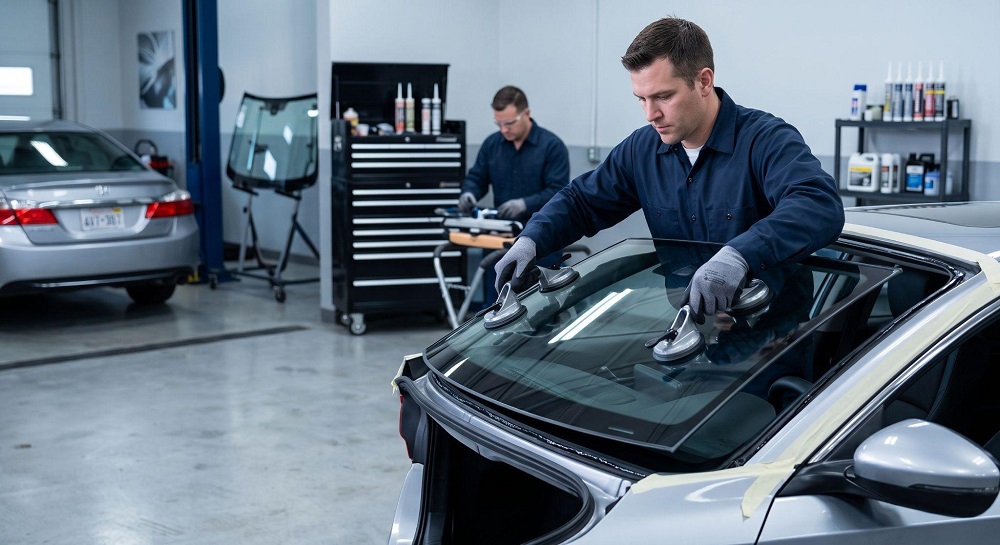
The process begins with careful preparation of the vehicle. Technicians first inspect the damage and ensure the surrounding area is safe to work on. The interior of the car is protected using covers and guards to prevent glass debris from entering the cabin.
Next, trims, moldings, and any components surrounding the rear window are carefully removed. This step is done slowly and precisely to avoid damaging clips, paint, or electrical components such as defroster connections. Proper preparation ensures a clean and controlled installation environment.
Step 2: Safe Glass Removal
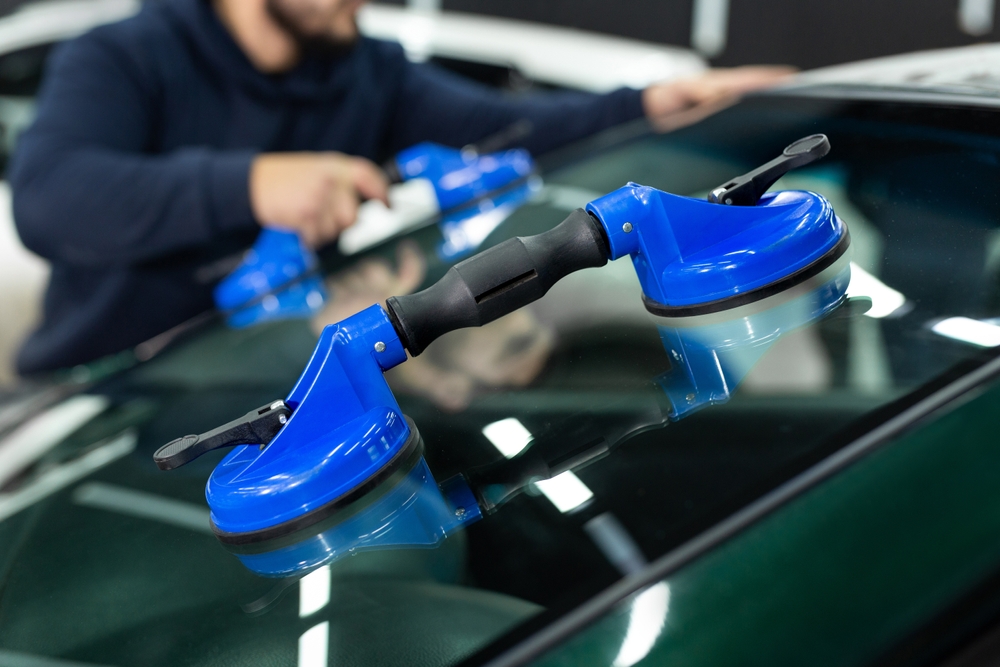
Once the area is prepared, the damaged rear window is carefully removed. Technicians use specialized tools to loosen the adhesive bond that holds the glass in place. This step requires precision to prevent damage to the vehicle frame and surrounding bodywork.
Because rear windows often include defroster lines, antenna connections, or sensors, extra care is taken to disconnect and preserve these components safely. All broken glass is removed from the vehicle interior to ensure a clean working surface before installation begins.
Step 3: Adhesive Application and Glass Installation
After the old glass is removed, the frame is cleaned and prepped for installation. A high-quality automotive adhesive is then applied evenly along the mounting surface. This adhesive is critical for ensuring a strong bond between the vehicle and the new glass.
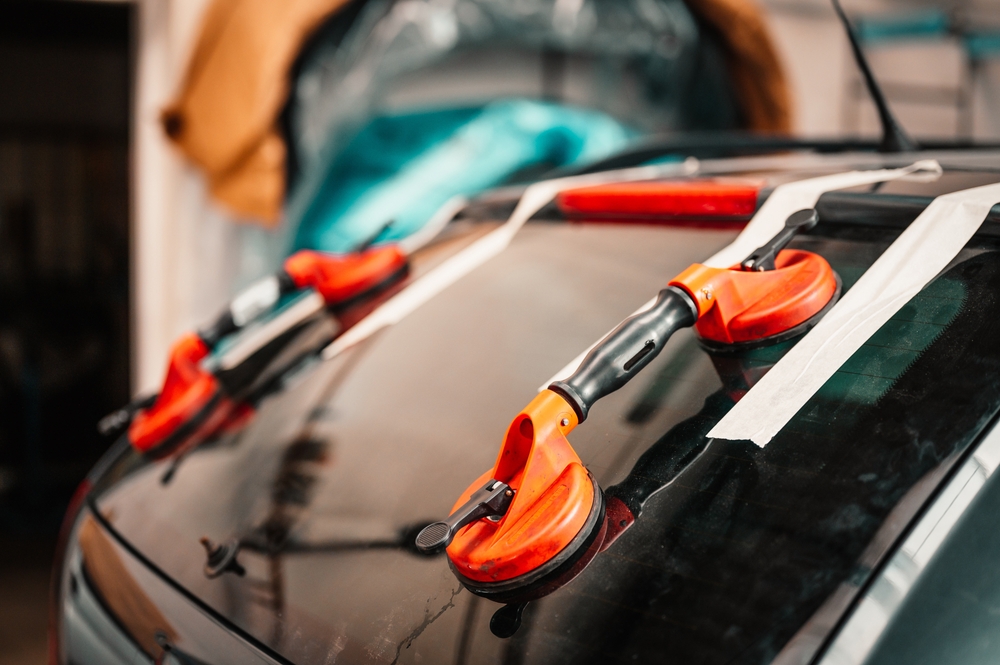
The new rear window is carefully positioned and aligned to ensure a perfect fit. Proper alignment is essential for maintaining visibility, structural integrity, and defroster functionality. Once in place, technicians apply consistent pressure to secure the bond.
Curing time is an important part of this step. The adhesive needs sufficient time to set and create a strong seal. During this period, the vehicle should remain stationary to ensure proper bonding and long-term durability.
Step 4: Finishing Touches and Quality Inspection
After the adhesive has cured, the final step involves reassembling all trims and moldings. Technicians ensure that every component is properly fitted and secure. The defroster system and any electrical connections are tested to confirm full functionality.
A detailed inspection is then performed to check for alignment, sealing, and overall installation quality. This ensures there are no gaps, leaks, or imperfections that could affect performance or safety.
Why Professional Installation Matters
A rear window is not just a piece of glass—it plays a role in your vehicle’s safety structure and visibility system. Improper installation can lead to leaks, wind noise, or even glass detachment in extreme cases. Professional technicians ensure that every step of the rear window replacement process is completed correctly and safely.
Conclusion
Understanding the step-by-step process of rear window replacement highlights the importance of precision, safety, and proper materials. From preparation and glass removal to adhesive curing and final inspection, each stage plays a vital role in restoring your vehicle’s safety and performance.
For Utah drivers, professional service ensures long-lasting results and peace of mind. Trust Glasshopper Auto Glass for expert care and reliable Rear Window Replacement in Utah, keeping your vehicle safe, secure, and road-ready in all conditions.
How to Maintain Newly Installed Door Glass for Longevity
A newly installed car door glass restores visibility, security, and the overall aesthetics of your vehicle. Proper maintenance ensures that your investment lasts for years and continues to function smoothly. Whether you’ve had a repair or a full replacement, following simple care routines can prevent scratches, leaks, and mechanical problems. Utah drivers can benefit greatly from understanding how to maintain car door glass effectively.

Avoid Slamming Doors or Using Excessive Force
One of the easiest ways to damage door glass is by slamming the door or applying excessive force when rolling windows up or down. Sudden impacts can weaken the glass, misalign the window tracks, or stress the seals. Encourage gentle handling to preserve both the glass and the mechanisms that control its movement. Over time, careful operation reduces wear and keeps your windows functioning smoothly. When closing doors, make sure to use the handle or knob and avoid pushing or pulling on the glass itself. The same applies when rolling windows up or down – use the designated buttons or handles instead of putting pressure directly on the glass.
Regular Cleaning With Glass-Safe Products
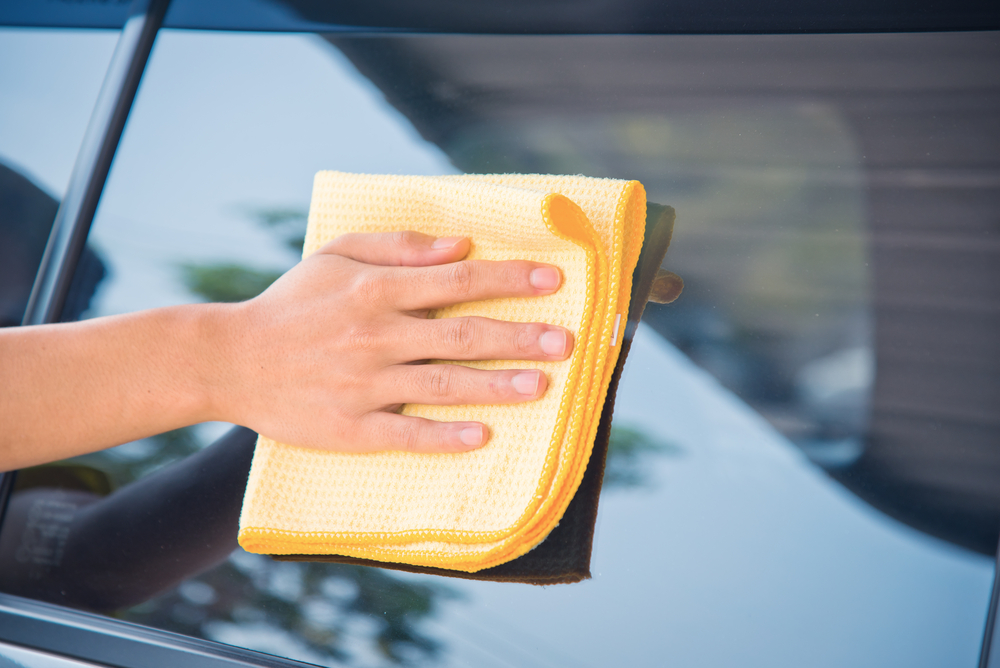
Dirt, debris, and hard-water stains can accumulate on door glass, potentially causing scratches or residue buildup. Clean your windows regularly with glass-safe cleaners and soft microfiber cloths. Avoid harsh chemicals, abrasive pads, or ammonia-based cleaners, which can damage coatings and the clarity of the glass. Maintaining a clean surface not only improves visibility but also preserves the long-term appearance of your door glass.
It’s important to inspect your door glass for any cracks or chips. These should be repaired as soon as possible to prevent further damage and potential safety hazards. If you notice any issues with your door glass, consult a professional for proper repair or replacement.
Remember, taking care of your door glass not only maintains the aesthetic value of your home but also ensures the safety and functionality of your doors. By following these tips and using gentle cleaning techniques, you can enjoy clear and beautiful door glass for years to come. So next time you’re admiring the view from inside your home, remember to give some love and attention to those often-overlooked pieces of glass that make it all possible.
Check Window Tracks, Regulators, and Seals
Properly functioning tracks, regulators, and seals are essential for smooth window operation and preventing leaks. Regularly inspect these components to ensure that the glass moves without sticking or rattling. Lubricate tracks lightly if needed and verify that the seals are intact. Early detection of issues in the mechanism can prevent more extensive repairs and protect the glass from uneven stress. Additionally, damaged seals can allow air and moisture to seep in, causing condensation and potentially leading to mold growth. By keeping these components in good shape, you can ensure the longevity of your door glass.
Inspect for Leaks or Cracks
Even minor cracks or gaps in the door glass or surrounding seals can worsen over time. Periodically check for signs of leaks, water intrusion, or small fractures. Addressing these issues early—before they develop into major problems—can save you from costly repairs or replacement. Prompt maintenance helps ensure your door glass remains secure and reliable.
Benefits of Regular Maintenance
By following these simple steps, you can:
- Prolong the lifespan of newly installed car door glass.
- Prevent scratches, cracks, and alignment issues.
- Maintain smooth window operation and seal integrity.
- Protect your vehicle from water damage and interior wear.
Regular care reinforces the quality and longevity of your repair or replacement, maximizing your investment in both safety and functionality.
Conclusion
Maintaining newly installed door glass is straightforward but essential. Gentle operation, regular cleaning, inspection of tracks and seals, and early attention to minor issues all contribute to long-lasting performance. For Utah drivers seeking reliable auto glass service, professional installation combined with proper maintenance is key. Trust Glasshopper Auto Glass for expert installation and service, including Fast & Reliable Auto Door Glass Replacement in Utah, ensuring your car door glass stays clear, smooth, and secure for years to come.
How to Determine if Your Car Door Glass Can Be Repaired Instead of Replaced
When your car door glass is damaged, it can be difficult to decide whether a simple repair is enough or if full replacement is necessary. Making the wrong choice can compromise safety, cost you more in the long run, or reduce the appearance and functionality of your vehicle. Understanding the factors involved in car door glass repair vs replacement is key for Utah drivers looking to maintain both safety and value.

Identifying Minor Chips, Cracks, or Scratches
The first step in determining repair eligibility is to examine the type of damage. Minor chips, small cracks, and superficial scratches are often repairable. These repairs restore both clarity and structural integrity without the need for a full glass replacement. Serious or extensive damage, however, may require replacement to ensure proper function and safety.
Assessing the Location of Damage
Where the damage occurs plays an important role in deciding between repair and replacement. Cracks near the edges of the glass are less stable and more likely to spread, usually requiring replacement. Damage in the middle of the glass is generally more suitable for repair, as it poses less risk to structural stability. The location of the damage will also impact the safety of the repair, as cracks in certain areas may compromise the strength of the glass.
Evaluating Damage Depth
Surface-level scratches or shallow chips are prime candidates for repair. Professional technicians can evaluate how deep the damage penetrates the glass layers and determine whether a repair will restore both visibility and strength. Deeper cracks or damage through multiple layers often necessitate a full glass replacement. When in doubt, it is best to consult a trained professional for an accurate assessment. Our team at Glasshopper Autoglass has years of experience and can provide a thorough evaluation to determine the best course of action for your specific situation. We will always prioritize safety and efficiency, ensuring that you receive the highest quality service for your vehicle. If repair is not a viable option, we offer affordable and reliable glass replacement services to get you back on the road safely. Trust us to handle all of your auto glass needs with expertise and care.
Factors Affecting Repairability
The size and location of the damage are not the only factors to consider when deciding between repair and replacement. The type of glass, temperature fluctuations, and previous repairs also play a role in determining repairability. For example, tempered glass cannot be repaired due to its unique manufacturing process, while laminated glass can often be successfully repaired. Additionally, extreme temperature changes or previous attempts at repair can weaken the integrity of the glass, making replacement necessary. At Glasshopper Auto Glass, our experienced technicians will carefully evaluate all of these factors to determine the best course of action for your damaged glass.
Consulting a Professional
While some drivers may attempt DIY fixes, consulting a certified technician is always recommended. Professionals assess all aspects of the damage—type, location, and depth—to provide a clear recommendation. They can ensure that your repair restores safety and functionality without compromising the structural integrity of your car door glass. We at Glasshopper Auto Glass have years of experience handling all types of auto glass repairs, and we pride ourselves on providing top-quality service to our customers. When you choose Glasshopper Auto Glass, you can trust that your car will be in good hands and that we will work diligently to find the best solution for your specific situation. Our team of experts is well-versed in the latest techniques and technology, ensuring that we provide the most effective and efficient repair services possible.
Conclusion
Determining whether to repair or replace car door glass depends on the severity, location, and depth of the damage. Minor, well-placed chips and scratches may only require repair, while extensive or edge damage often calls for full replacement. For Utah drivers, trusting certified technicians ensures your vehicle’s glass is handled correctly. For reliable service, schedule Fast & Reliable Auto Door Glass Replacement in Utah with Glasshopper Auto Glass to get expert advice, professional repairs, or complete replacement as needed.
Why Temperature Changes Can Turn a Small Rock Chip into a Cracked Windshield
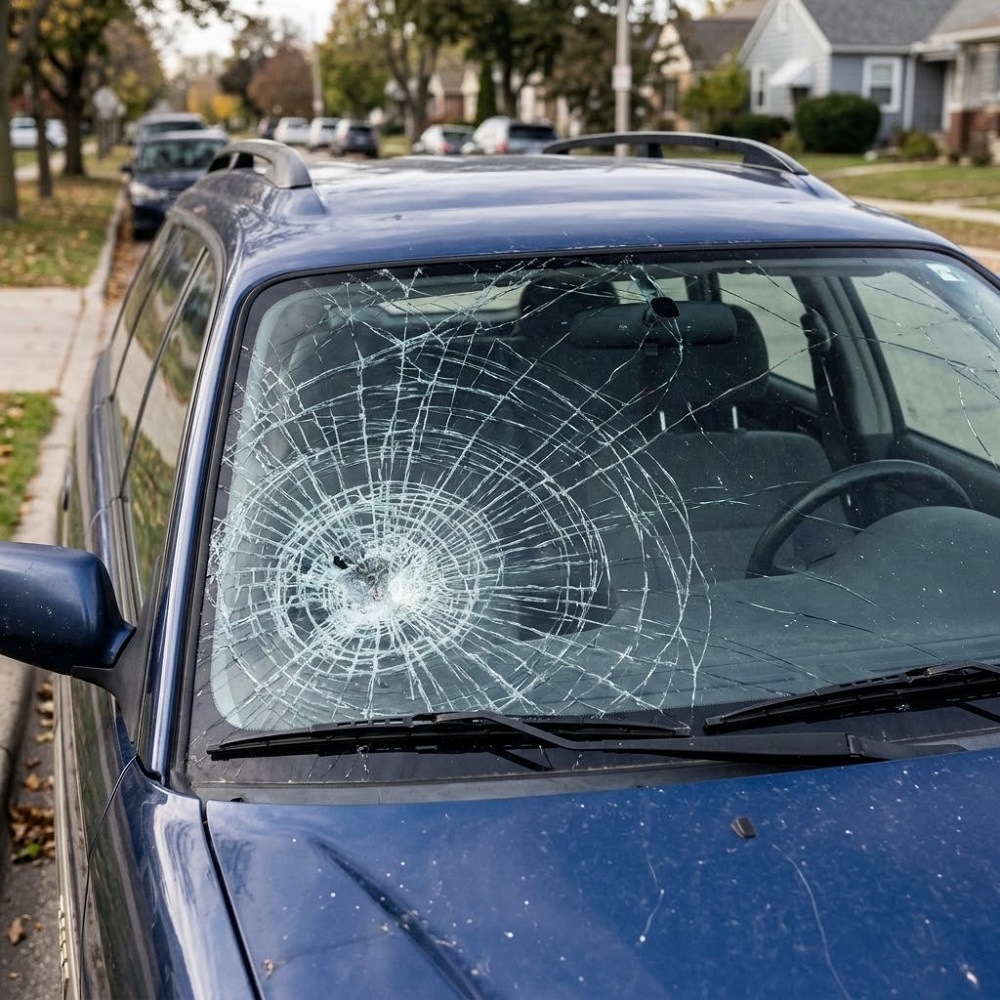
If you’ve ever found a small chip in your windshield after a drive, you may have wondered how it could turn into a full crack seemingly overnight. Many vehicle owners in Utah are surprised to learn that temperature changes can quickly transform a minor rock chip into a much larger windshield problem. Understanding the science behind this phenomenon and acting quickly with services like Utah Rock Chip Repair can save you time, money, and stress.

The Science Behind Rock Chips and Cracks
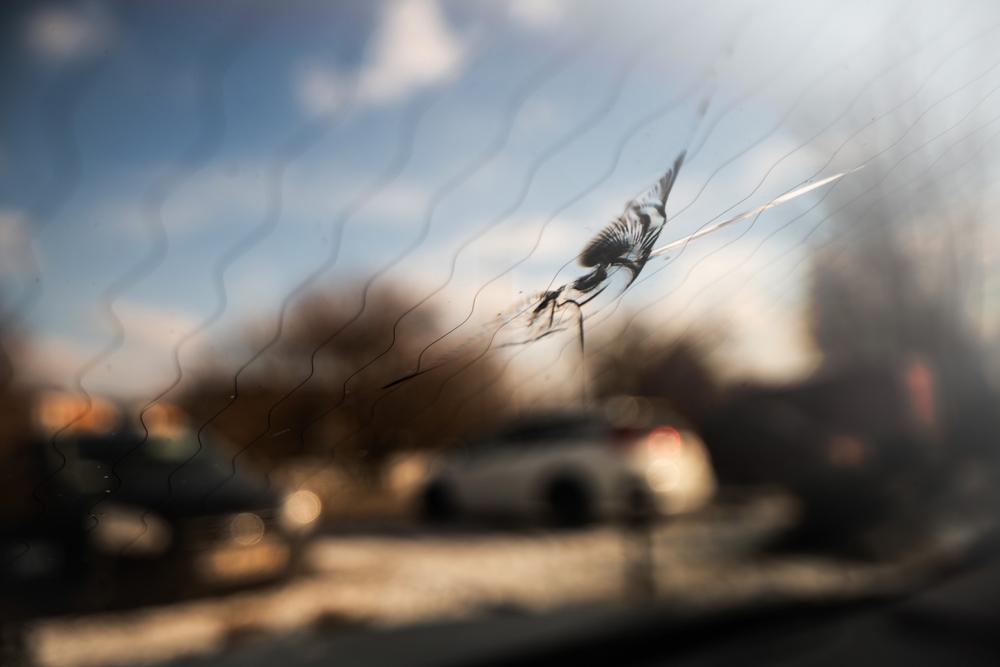
Vehicle windshields are made of laminated glass, which combines strength and safety. However, even this durable material is vulnerable when tiny chips occur. These chips create micro-stress points in the glass, which act like seeds for cracks to grow.
The reason temperature changes can accelerate this process is due to thermal expansion and contraction. When the outside temperature drops, the glass cools and contracts, while the inner layers of plastic and adhesive remain warmer and expand. This creates tension in the already stressed areas around a rock chip, causing it to grow into a larger crack.
One of the most significant contributors to crack propagation is thermal expansion and contraction. Glass expands slightly when heated and contracts when cooled. When a windshield with a rock chip experiences sudden temperature swings, the stress concentrates around the damaged area. Over time—or even immediately—this stress can extend the chip into a full crack, often spreading across the windshield.
How Weather Changes Make Things Worse
Utah is notorious for rapid weather fluctuations, which can be particularly harsh on vehicle glass. For example:
- A bright, hot morning sun following a cold night can create a thermal shock in the windshield.
- Freezing temperatures followed by warm afternoon sun cause the glass to expand and contract quickly.
- Sudden heat from defrosters or air conditioning can also stress the glass.
These temperature shifts exacerbate the micro-fractures around rock chips, transforming what could have been a minor repair into a major windshield replacement.
Micro-Stress and Crack Propagation
Even the tiniest rock chip disrupts the smooth structure of your windshield. Around the chip, micro-stress zones develop naturally. When combined with thermal expansion, vibration from road driving, or even minor impacts, these micro-stresses can cause cracks to radiate outward. Once a crack begins, it can accelerate quickly, leaving drivers with limited options other than a full windshield replacement.
Preventive Measures to Protect Your Windshield
Preventing a small chip from becoming a costly crack is possible with careful attention and timely action. Here’s what experts recommend:
Prompt Rock Chip Repair: The fastest way to prevent cracks is by repairing the chip as soon as possible. Services like Utah Rock Chip Repair can stabilize the damage and reinforce the surrounding glass.
Avoid Extreme Temperature Changes: Whenever possible, avoid exposing your windshield to rapid heat or cold. Park in the shade during sunny days and try to warm up the vehicle gradually during cold mornings.
Gentle Cleaning and Driving: Avoid slamming car doors or driving on rough terrain if you have a chip, as vibrations can accelerate crack growth. When cleaning your windshield, use a soft cloth instead of abrasive materials.
Regular Inspections: Periodically check your windshield for new chips or stress lines, especially after hailstorms, gravel roads, or icy conditions.
Why Choosing a Professional Matters
Repairing a windshield isn’t just about aesthetics; it’s a safety issue. A chip left untreated can reduce structural integrity, compromise airbag performance, and obstruct visibility. Companies like Glasshopper Auto Glass specialize in mobile, convenient repairs that can prevent a rock chip from cracking and cause it to turn into a full windshield replacement. Their team ensures the repair is safe, durable, and compliant with auto glass safety standards.
Final Thoughts
Temperature swings and micro-stress zones are silent enemies to your vehicle’s windshield. A small chip might seem harmless, but without prompt attention, it can grow into a dangerous and expensive crack. Leveraging professional services like Utah Rock Chip Repair ensures your vehicle remains safe, your repairs are cost-effective, and you avoid the inconvenience of a full replacement. For expert guidance and reliable service, trust Glasshopper Auto Glass to keep your windshield intact and safe on the road.
What Factors Determine Whether a Rock Chip Can Be Repaired or Only Replaced?
A small rock chip in your windshield may seem minor, but not all damage can be repaired. Understanding rock chip repair eligibility helps Utah drivers make informed decisions and avoid unnecessary costs or safety risks. Professional evaluation ensures your windshield is either properly repaired or replaced, depending on the severity and type of damage.

Size and Depth of the Chip
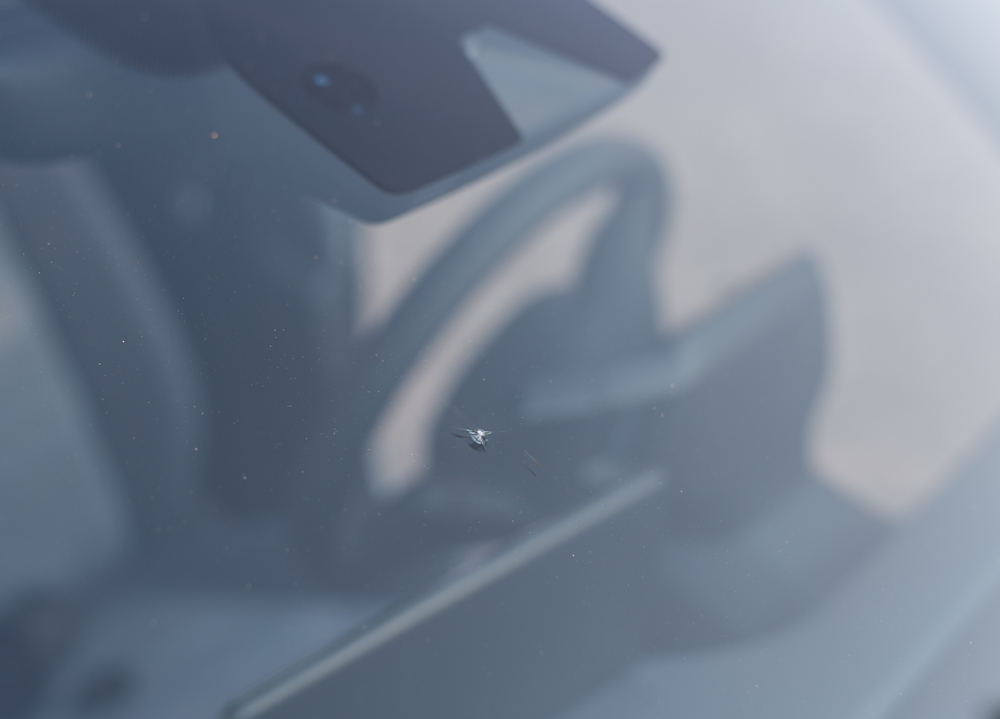
One of the primary factors in repair eligibility is the size and depth of the chip. Generally, chips smaller than one inch can be repaired effectively. Larger chips often compromise structural integrity and require a full windshield replacement. Deep cracks that penetrate multiple layers of laminated glass are also usually beyond repair.
Location of the Damage
Where the chip occurs on the windshield matters. Damage near the edges or along structural seams is less likely to be repairable, as these areas are critical to windshield strength and support. Chips in the driver’s line of sight or near mounting points may also require replacement to maintain safety and proper visibility.
Type of Damage
Different types of chips respond differently to repair. Common damage types include:
- Bullseye chips – typically circular with a central impact point; usually repairable if small.
- Star breaks – radial cracks extending outward from the impact; small star breaks can sometimes be repaired.
- Combination breaks – complex damage that often requires replacement due to multiple fractures.
Understanding the type of chip helps technicians determine whether repair will restore strength and clarity. When it comes to cracked windshields, length and location play a crucial role in determining whether repair or replacement is necessary. Cracks longer than three inches usually require replacement, as they compromise the structural integrity of the windshield. Additionally, cracks that extend into the outer edges of the windshield or those that intersect multiple other cracks are also typically beyond repair and warrant replacement.
In some cases, chips or cracks may not seem significant at first glance but can still compromise the strength and safety of a windshield. This is especially true for damage near mounting points or in the driver’s line of sight. Even small chips or cracks in these areas can grow and spread if left unrepaired, potentially obstructing vision and reducing overall stability.
Age and Moisture
Older chips, or those where moisture has penetrated the crack, are often harder to repair. Water, dirt, or debris in the damage can prevent resin from properly filling the chip, compromising the repair’s durability. Timely assessment after the chip occurs increases the likelihood of successful repair. We recommend seeking professional help as soon as possible.
In addition to understanding the type of chip, age, and moisture also play a crucial role in determining whether a repair is possible. Older chips or those with moisture inside are often more difficult to repair successfully.
When water, dirt, or debris enters the chip, it can block the resin from properly filling the crack and bonding with the surrounding glass. This can result in a weaker repair that may not last as long. It’s important to have a timely assessment done after a chip occurs to increase the chances of a successful repair.
Professional Assessment Matters
Determining rock chip repair eligibility is not always straightforward. Certified technicians consider all factors—size, location, type of damage, and age—to decide whether a repair will restore your windshield’s safety and visibility. Professional service ensures the right solution is chosen, preventing further cracking or costly full replacements down the road.
Conclusion
Not every windshield chip can be repaired, but small, timely, and properly located chips often are. If you notice a rock chip, prompt evaluation is the best way to protect your windshield and maintain safety. For Utah drivers, trust Glasshopper Auto Glass for expert assessment and professional Utah Rock Chip Repair that restores structural integrity, clarity, and peace of mind.
What Are the Most Common Mistakes Drivers Make After Their Windshield Gets Chipped?
A small chip in your windshield may seem harmless, but it can quickly turn into a larger crack if not handled correctly. Many drivers make avoidable errors after a windshield chip occurs, which can compromise safety and lead to costly repairs. Understanding the windshield chip mistakes to avoid is key to protecting your vehicle and keeping your passengers safe. At Glasshopper Auto Glass, we have seen our fair share of these mistakes and want to share our knowledge with you. We are experts in Utah rock chip repair and can help you avoid these common mistakes.

Ignoring Small Chips
One of the most common mistakes drivers make is simply ignoring small chips. Even tiny rock chips are weak points in your windshield, and over time, temperature changes, road vibrations, or sudden impacts can cause the chip to expand into a full crack. Waiting too long to repair a chip often means that a simple repair could turn into a full windshield replacement.
Using DIY Adhesives or Low-Quality Kits
DIY repair kits may seem convenient and inexpensive, but they are often ineffective. Improper application of adhesives or using low-quality kits can leave micro-fractures unfilled, create distortions, or fail under normal driving conditions. Professional service, such as Utah Rock Chip Repair, ensures the chip is fully sealed, restoring strength and clarity to the windshield. Using high-quality materials and skilled technicians, they can provide a long-lasting repair that will save you time and money in the long run. We recommend avoiding DIY kits and opting for professional repair to ensure the safety and integrity of your windshield.
Our professional team at Glasshopper Auto Glass is trained and experienced in all types of windshield repairs, including replacements. We use state-of-the-art equipment and premium materials to ensure a strong and lasting repair. With our services, you can trust that your vehicle will be safe for the road ahead. We understand that your windshield is a crucial part of your vehicle’s structural integrity, which is why we take great care in our repairs.
Driving Aggressively Over Bumps or Rough Roads
After a chip occurs, the weakened glass is more susceptible to further damage. Driving aggressively over speed bumps, potholes, or rough roads can cause the chip to spread quickly. Many drivers underestimate the effect of road vibrations and end up worsening the damage simply by continuing normal or aggressive driving without timely repair. At Glasshopper Auto Glass, we understand the importance of addressing windshield damage as soon as possible to prevent it from worsening. Our experienced technicians are trained to identify and repair chips before they become bigger problems, saving you both time and money.
Attempting Repairs in Extreme Temperatures
Temperature extremes can affect both the glass and the repair materials. Attempting repairs in freezing conditions or under intense sunlight can compromise the effectiveness of adhesives and resins, leading to poor results. Professional technicians account for temperature, curing times, and proper application, ensuring a long-lasting repair that DIY attempts cannot reliably match. Having your windshield repaired by our team at Glasshopper Auto Glass guarantees a quality repair regardless of weather conditions. We have the necessary tools and expertise to properly repair your windshield in any temperature, providing you with peace of mind and a safe driving experience.
Conclusion
Windshield chips may seem minor at first, but avoiding common mistakes is crucial to preventing further damage. Ignoring chips, using low-quality DIY kits, driving over rough roads, or attempting repairs in extreme temperatures can all turn a small problem into a costly replacement. For Utah drivers, timely professional repair is the best choice. Trust Glasshopper Auto Glass for expert service and Rock Chip Repair that restores safety, clarity, and structural integrity to your windshield.
How Rear Window Replacement Improves Rear Visibility and Driving Confidence
Your rear window plays a critical role in your ability to drive safely. Cracks, chips, fogging, or worn seals can all compromise rear visibility, making daily driving more stressful and dangerous. For Utah drivers, a professional rear window replacement not only restores clear vision but also enhances overall vehicle safety. Understanding the rear window replacement benefits helps you see why timely service is essential.

Clear, Unobstructed Vision
One of the most immediate advantages of replacing a damaged rear window is the elimination of cracks, chips, and fogging. Even small imperfections can distort your view or catch sunlight in a way that temporarily blinds or distracts you. A new rear window restores clarity, ensuring that you can see other vehicles, pedestrians, and obstacles clearly while reversing or monitoring traffic behind you. We all know how important a clear vision is for safe driving, and a rear window replacement helps to maintain that crucial element.
Restored Defogger and Heating Functionality
Many rear windows include built-in defoggers or heating lines to maintain visibility in cold or humid conditions. When the glass is damaged or improperly sealed, these features may stop functioning correctly. Rear window replacement ensures that defoggers and heating systems work as intended, keeping your view clear in all weather conditions—from frosty winter mornings to humid summer afternoons. At Glasshopper Auto Glass, we specialize in restoring these essential functionalities to provide you with a safe and comfortable driving experience.
Proper Sealing Against Water and Wind Noise
A worn or cracked rear window can allow water to leak into the cabin or cause wind noise while driving. Professional rear window replacement restores the proper seal around the glass, protecting the interior from rain, snow, and debris. A tight, secure seal also reduces distracting wind noise, creating a quieter, more comfortable driving experience. Our team at Glasshopper Auto Glass uses high-quality materials and precise techniques to ensure a perfect seal every time.
Enhanced Vehicle Security
A damaged rear window can compromise the security of your vehicle. Thieves can easily break through a cracked or shattered window to access your car’s interior. By repairing or replacing the rear window, you are ensuring that your vehicle remains secure and protected from potential theft or vandalism. Our team at Glasshopper Auto Glass understands the importance of feeling safe and secure in your vehicle, which is why we prioritize proper repairs and replacements for all types of rear windows. We also offer the option of installing tinted glass for added privacy and security. Using advanced techniques and high-quality materials, we guarantee enhanced vehicle security with every rear window service.
Enhanced Driver Confidence and Safety
Driving with impaired rear visibility can be stressful and increase the risk of accidents. Replacing a damaged rear window improves your confidence behind the wheel, knowing that your field of vision is fully restored. Additionally, a properly installed rear window contributes to overall structural integrity, providing better support in the event of a collision. The combination of visibility, functionality, and structural safety makes rear window replacement a key investment in both comfort and protection. Using high-quality materials and precise installation techniques, our team ensures that your replacement rear window meets or exceeds manufacturer specifications. This means you can trust that your vehicle is equipped with the best possible protection against all types of weather and potential hazards on the road.
Conclusion
From improving clarity to restoring defogger function, proper sealing, and overall vehicle safety, the rear window replacement benefits are significant. For Utah drivers, professional service ensures a precise fit, reliable performance, and peace of mind while driving. Trust Glasshopper Auto Glass for expert inspection, repair, and keeping your vehicle safe, comfortable, and fully functional on every journey.
What Are the Warning Signs That Rear Window Adhesive Is Failing?
Your rear window does more than provide visibility—it contributes to the structural integrity of your vehicle and keeps the interior protected from the elements. The adhesive that seals the rear window is critical to its stability. Over time, exposure to weather, vibrations, and general wear can cause this adhesive to weaken, potentially leading to serious issues. Recognizing the rear window adhesive failure signs early can prevent water damage, glass movement, and costly replacements.

Water Leaks or Condensation
One of the first signs of failing rear window adhesive is water intrusion. If you notice leaks during rain or after washing your car, or condensation forming between the glass and interior, the adhesive may no longer be providing a watertight seal. Ignoring these signs can lead to corrosion, interior damage, and even electrical problems in vehicles with rear sensors or defrosters.
Glass Movement or Rattling
A rear window that rattles or shifts slightly while driving is another indicator that the adhesive is weakening. The seal is meant to keep the glass firmly in place. Any movement may compromise safety, especially during an accident, as the window may fail to support structural integrity properly. This issue may also become more apparent when driving over bumps or rough roads. If you experience any of these symptoms, it’s important to have your rear window inspected and potentially resealed as soon as possible. At the first sign of a watertight seal failure, it’s important to address the issue promptly. Ignoring these signs can lead to further damage and potentially compromise the safety of your vehicle. In addition to regular maintenance and inspections, be sure to keep an eye out for any changes in your rear window’s appearance or function to ensure the integrity of your vehicle’s glass system.
Visible Gaps or Cracks in the Adhesive Bead
Visually inspecting the perimeter of your rear window can reveal signs of adhesive failure. Gaps, cracks, or uneven areas in the seal are a red flag. Over time, even small imperfections in the bead can worsen, leading to glass detachment or leaks. When it comes to the safety of your vehicle, it’s better to be proactive and address these issues early on. At Glasshopper Auto Glass, we use the highest quality adhesives and techniques to ensure a strong and secure bond for your rear window.
Unusual Noises
Squeaks, pops, or rattles when opening and closing the trunk or rear hatch may indicate that the rear window is not firmly secured. These unusual sounds often accompany other warning signs, such as water intrusion or glass movement, and should not be ignored. Noticing these noises early on can prevent more serious issues down the road and ensure the safety of your vehicle. We recommend bringing your vehicle to Glasshopper Auto Glass for a thorough inspection and repair if you experience any unusual noises with your rear window.
Why Professional Inspection Matters
If you notice any of these rear window adhesive failure signs, it’s crucial to seek professional assessment. Certified technicians can determine whether the seal can be repaired or if a full Rear Window Replacement in Utah is necessary. Professional replacement ensures the adhesive is applied correctly, restoring structural support, waterproofing, and overall vehicle safety.
Conclusion
Failing rear window adhesive can lead to leaks, structural weakness, interior damage, and safety hazards. Paying attention to warning signs such as water intrusion, glass movement, visible gaps, or unusual noises allows you to address the problem before it escalates. For Utah drivers, professional evaluation and service are the safest choice. Trust Glasshopper Auto Glass for reliable inspection, repair, and keeping your vehicle secure and protected on every drive.